Start with the Delivery Address
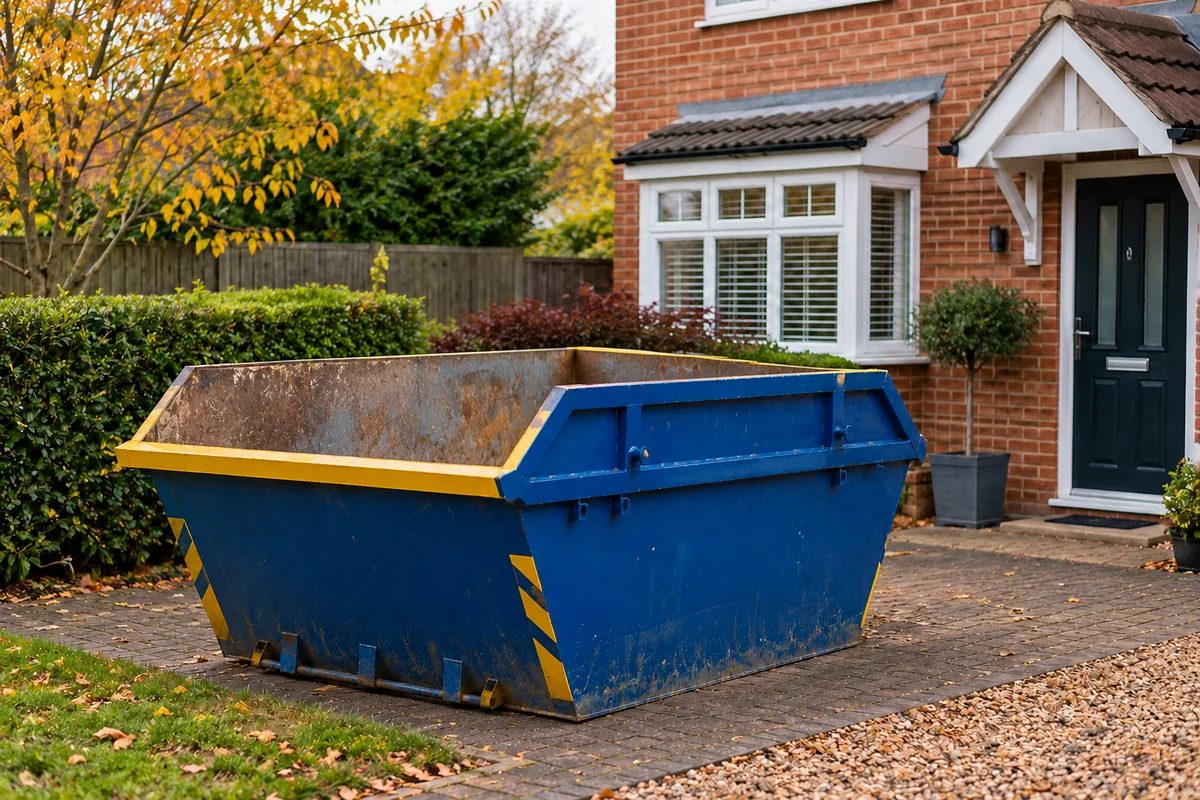
Before comparing sizes, decide where the skip could stand at the property. A driveway, shared forecourt and public road involve different questions. Write down the full postcode and the actual entrance the delivery vehicle would use. If there is a choice of front or rear access, explain both rather than assuming the driver can use whichever looks easiest on the day.
The name of a nearby city is not enough to identify the relevant highway authority. Our North West area directory separates the places we are covering and links to their own guidance. For example, a Birkenhead road position comes under Wirral Council, while Liverpool has its own council process. Use the address where the waste is being collected, rather than the location of the company taking the booking.
Road Permission Is Local
A road skip needs the relevant permission, but the detail is not identical across every council. Manchester has a particularly important city-centre restriction: its published guidance allows only wait-and-load there, where the vehicle waits while waste is loaded and then leaves. A skip that can remain on a private driveway for the agreed hire is therefore a different proposition from a city-centre highway position. Explain the address before relying on a plan to leave a skip outside for several days.
Other rules affect how a job is organised. Bolton distinguishes road categories in its charges. Stockport normally allows one skip on site at a time, which matters if a project needs an exchange. Oldham does not normally allow pavement or grass-verge placement. These are reasons to use the correct area guidance, not a reason to guess a permit price from another town. Ask which permissions the quotation covers and which still need arranging.
Measure the Approach, Not Just the Standing Space
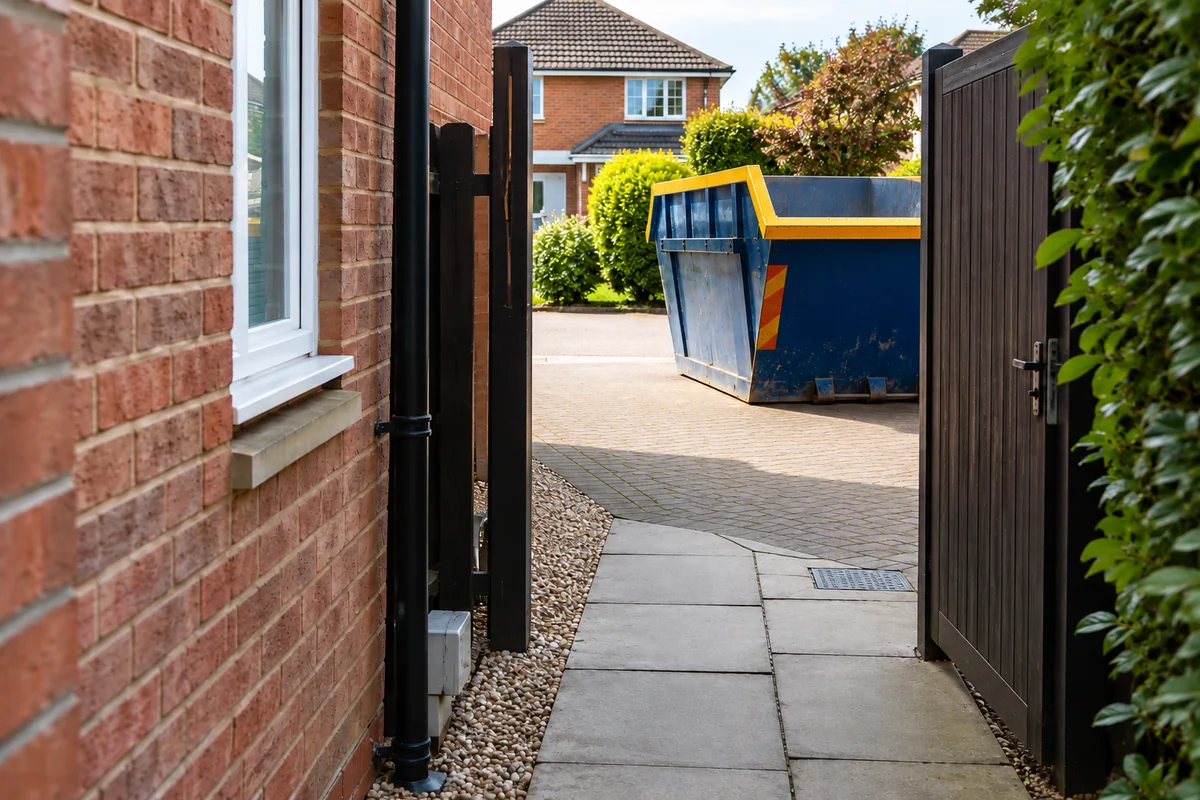
Skip dimensions describe the container. They do not include the lorry or the room its lifting equipment needs to work. Look at the route from the road, the entrance width, anything overhead and the surface where the skip would stand. Mention a tight turn, parked vehicles, low branches or cables during the booking conversation. A space that suits a car is not automatically suitable for a skip delivery.
Access must remain workable for collection as well as delivery. A renovation can change the space around a property: stacks of new materials, work vans or a temporary fence may appear after the skip arrives. Think through that sequence beforehand. Keep gates usable and avoid storing the waste you could not fit directly in the lorry approach. If the arrangement changes, contact the operator before the collection is due.
Choose Volume and Waste Type Together
A small clearance and a load of broken paving need different decisions. Cupboards, packaging and branches can use a lot of space without being the heaviest materials. Soil, bricks and concrete can become a heavy load before the container looks full. Tell us which materials you have and roughly how much of each. Do not choose a larger size on the assumption that it carries any amount of rubble.
The eight guide sizes on the homepage give a starting point. For a larger household or renovation clearance, the 8-yard guide explains an approximate footprint and compares the options either side. Use it to picture the volume, then discuss the actual waste allowance. Supplier models vary, and dimensions are guide figures rather than a promise that a particular model will fit through your entrance.
Keep Loading Within the Agreed Limits
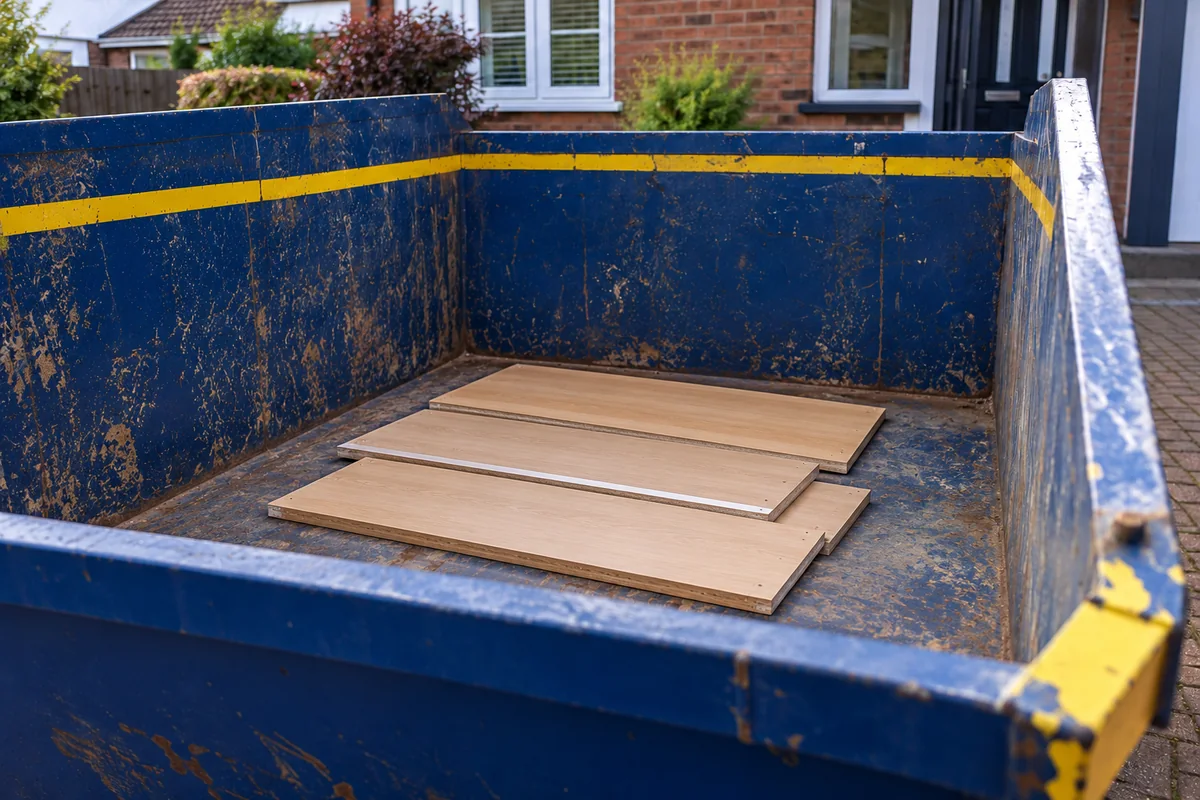
The customer fills a hired skip. Plan a clear walking route to it and keep the materials within the agreed fill line. Do not build a mound above the sides or leave long pieces projecting into the surrounding space. Dismantling suitable furniture or cabinets can help use the volume, but it does not change a weight restriction or make an unapproved material acceptable.
Some items need a specific conversation before booking. Describe upholstered furniture, mattresses, electrical items and plasterboard rather than hiding them inside a general description of household waste. Acceptance and any separate charges must be clear. Hazardous materials should not be mixed into ordinary skip waste. If you are uncertain what an item contains, explain it before loading instead of relying on a photograph of a similar clearance.
Agree the End of the Hire Before It Starts
Find out whether collection is scheduled for a date or requested when you finish. The hire period, the road permission and the timing of the building work are related, but they are not the same agreement. A council’s maximum licence period does not tell you how many days are included in the commercial hire price. Extra time should be discussed before the agreed period ends.
For the quote, have the address, materials, preferred delivery date and proposed position ready. Ask for the complete price, including VAT, collection and any permit or parking costs that apply. If you want rubbish carried into a van and removed rather than a skip left for you to fill, ask about the separate rubbish-removal service. Starting with that distinction helps us discuss the right job. You can compare sizes and contact Jack Cole Skips through our national skip hire page.