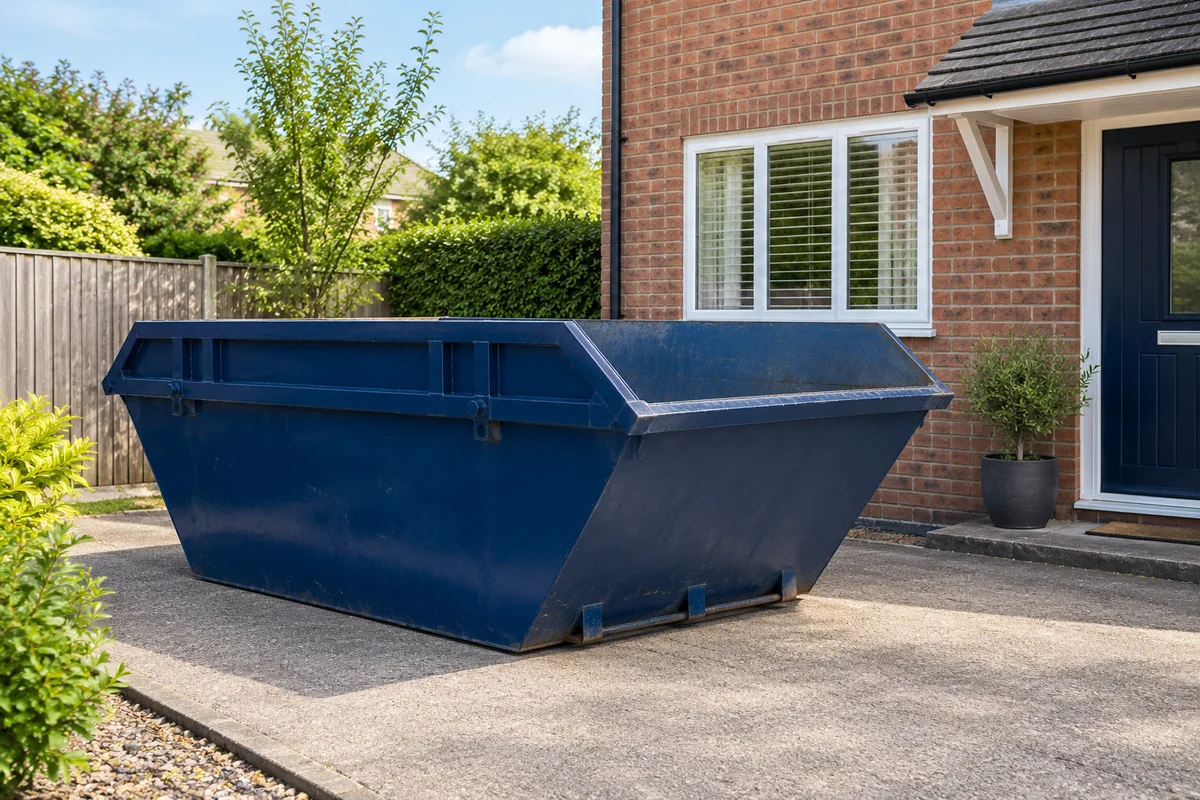
Who Will Carry and Load the Waste?
With skip hire, you put the agreed waste in the skip yourself. That can suit a job where you want to clear a room gradually, take material out as work progresses or sort a garden over the hire period. It also means thinking about the route from the waste to the container. Stairs, heavy items and awkward doors do not disappear because there is a skip outside.
Rubbish removal involves a different service and quotation. The collection team lifts the agreed items and loads them into a van to take away. This collection does not leave a skip at the property for you to fill. Tell us what needs moving, where it is now and how it can be reached, so the lifting and loading required are part of the discussion from the beginning.
Do You Have Somewhere for a Skip to Stay?
A suitable private driveway or yard can make a standing skip straightforward to plan, provided the lorry can reach it and the landowner agrees. The skip will occupy that space during the hire. Think about whether you need to park a car, open a garage, receive building materials or keep a shared entrance usable. Measure the available space rather than estimating from the size of a neighbouring car.
If the skip would need to stand on the road, permission and the local rules must be considered before booking. This can make a single van collection worth discussing, especially where you want waste removed in one visit rather than stored outside. A van still needs a workable stopping and loading arrangement, so do not assume that choosing rubbish removal removes every access question.
Describe the Collection Route
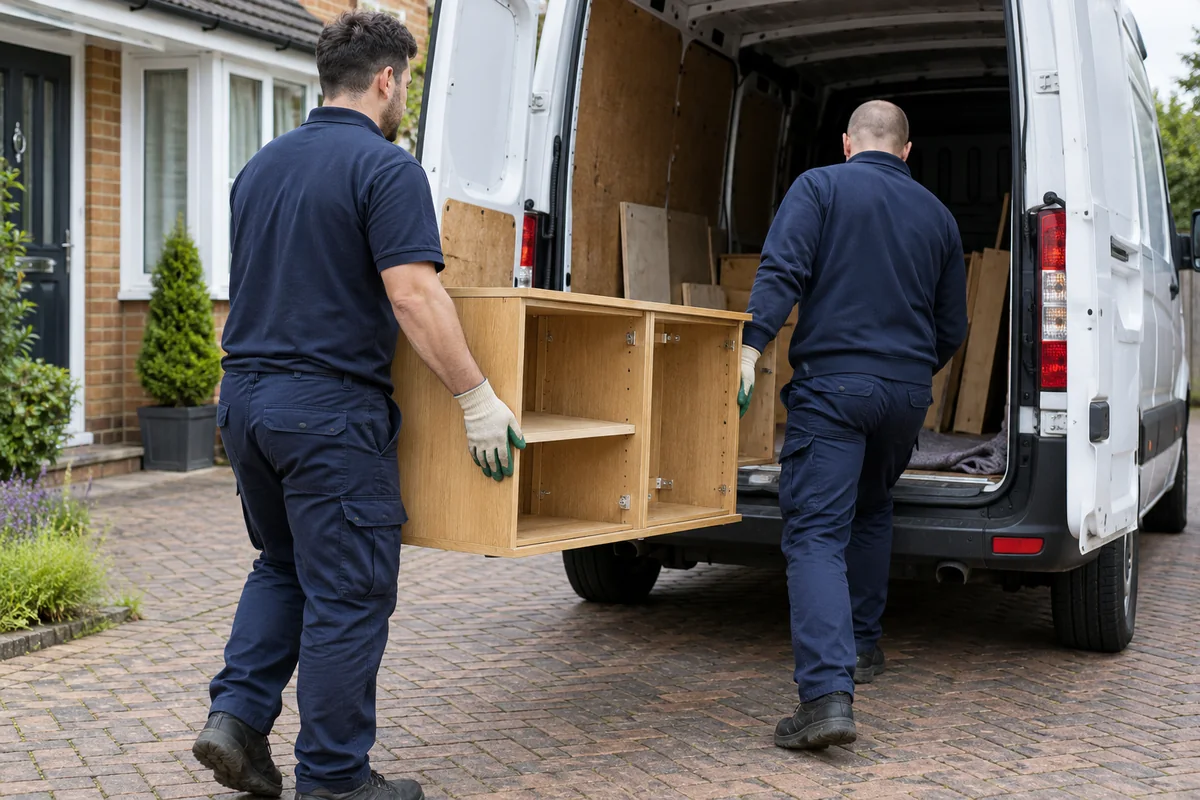
For a rubbish-removal quote, explain the path from each item to the vehicle. Say whether the waste is on a ground floor, upstairs, in a garage or at the far end of a garden. Mention narrow doors, shared hallways and the distance to a place where the van can stop. These details describe the work more accurately than saying the job is only a small clearance.
Identify large or heavy pieces individually. A dismantled shelf unit and a complete heavy cabinet may occupy similar space in a photograph but involve different handling. If an item is fixed in place or needs specialist dismantling, say so; do not assume that work is included. The quote should set out the items, lifting, loading and removal being agreed, along with any exclusions.
The Material Matters for Both Services
Neither option is a way to mix every kind of unwanted material together. Separate the description of ordinary household items from rubble, soil, liquids, electrical equipment or anything potentially hazardous. Mention upholstered seating and mattresses clearly. You need to know which items are accepted and whether they affect the price or need their own collection route.
For a skip, volume and weight need separate attention. Bulky waste can fill a tall container, while dense building material can become heavy with room still available. Our size guide helps you compare space, but it does not approve a load. With rubbish removal, an estimate should also reflect what is actually being lifted and taken away, rather than just the number of bags visible in a room.
Think About When the Waste Will Be Ready
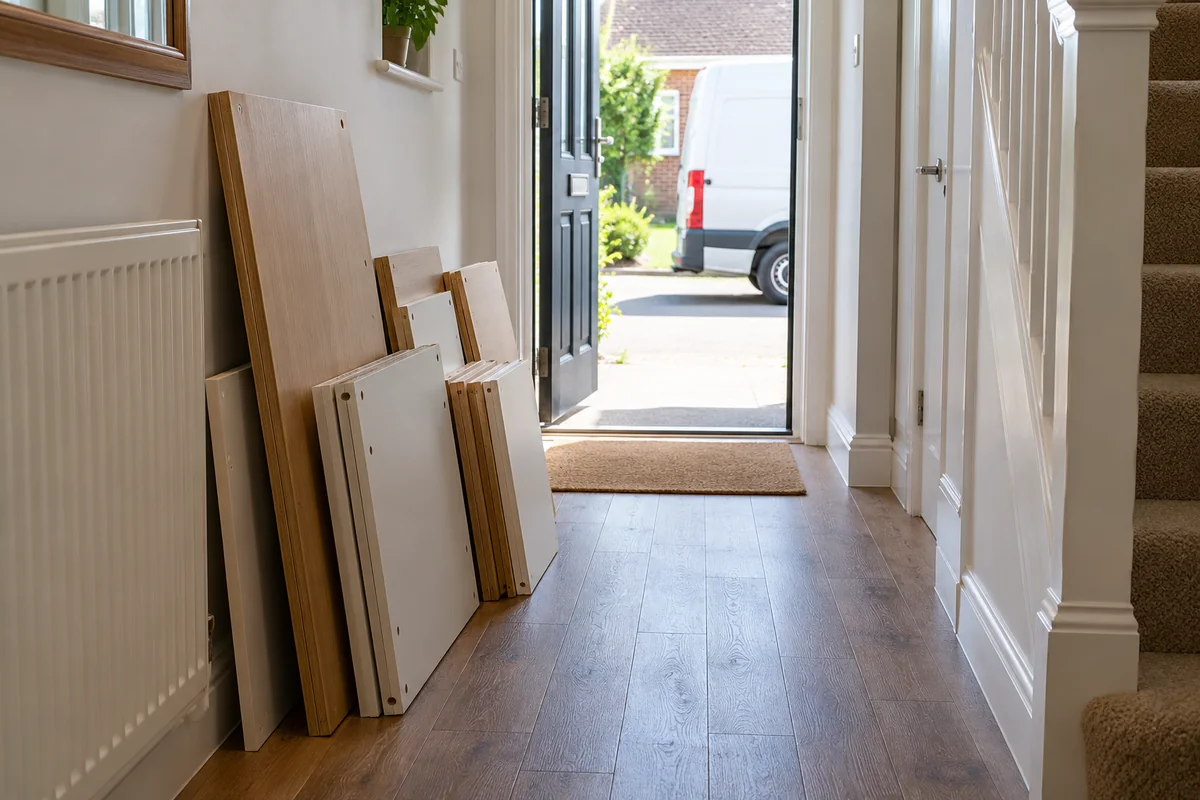
Skip hire can suit work that creates waste in stages. A kitchen renovation may produce old units first and smaller materials later. Agree the hire period and find out how collection is arranged. If the work takes longer than expected, ask about an extension before keeping the skip beyond the agreed date. A road permit may also need attention when dates change.
A rubbish collection needs the agreed items accessible when the collection takes place. If more waste is likely to appear after that visit, include that in the plan rather than expecting a return to be part of one quote. Do not promise a builder that either service is arriving until the address, waste, date and access have been confirmed for the actual booking.
Compare What Is Included, Not Just the Headline Price
For a hired skip, ask about delivery, collection, the hire period, accepted materials, VAT and any road or parking permission. For rubbish removal, ask which items are covered, what lifting and loading are included and whether the quote accounts for the route to the van. A low number is not useful if it describes a different job from the one at your property.
Explain your preferred way of clearing the waste when you call Jack Cole Skips. If you want a container to fill yourself, start with skip hire. If you need the agreed waste carried out, loaded into a van and removed, ask for rubbish removal. We accept enquiries across England and Scotland, with the particular job and date agreed by phone. Use our separate rubbish-removal section to start that enquiry, or read the North West guide for examples of local access and permit decisions.